

By UNOHCHR |
UN experts* on 11 November expressed grave concern over renewed online attacks, disinformation campaigns, and harassment of two prominent Thai human rights defenders, Angkhana Neelapaijit and Sunai Phasuk.

By Fortify Rights |
Thai Senator Angkhana Neelapaijit and Sunai Phasuk, Senior Researcher at Human Rights Watch, received online death threats and hate speech in response to their public comments on the Thailand-Cambodia border conflict, and the Government of Thailand must protect them and all human rights defenders from harassment and threats, Fortify Rights said today (21 October). The two prominent human rights defenders filed a petition on October 18 with the Royal Thai Police seeking protection.

By Prachatai |
Senator Angkhana Neelapaijit, former human rights commissioner, and Human Rights Watch’s senior researcher Sunai Phasuk filed a petition with the police chief on Saturday (18 October) requesting police protection after they received death threats and online harassment for criticising a social media influencer’s activities in areas along the Thailand-Cambodia border.
By Prachatai |
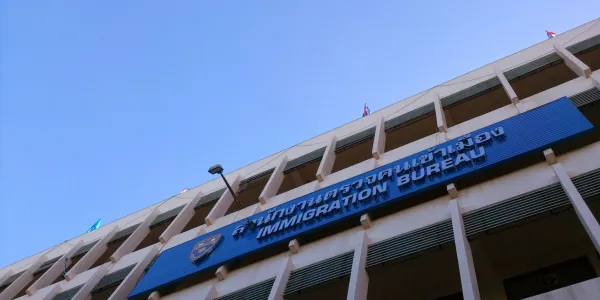
<p>In a petition submitted to the House Committee on Foreign Affairs, representatives from several civil society organisations have demanded that the Thai government stop returning Uyghur refugees to China and arrange for their relocation to safe-haven countries.</p>
By Prachatai |
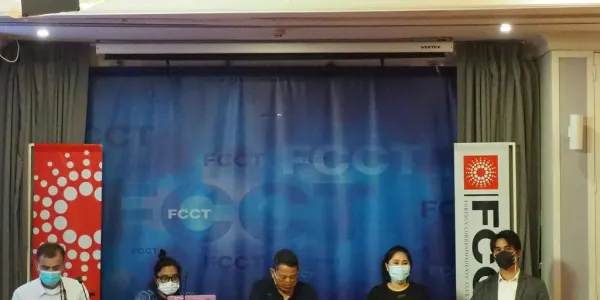
<p>Eight months after the disappearance of activist in exile Wanchalearm Satsaksit, his family is still searching for answers, while very little progress has been made by the authorities. </p>
By Yiamyut Sutthichaya |
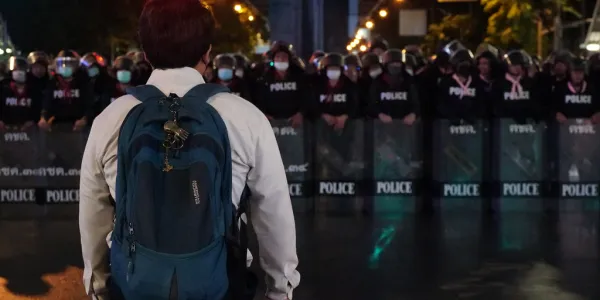
<p>An interview with Senior Researcher at Human Rights Watch. What has Thailand lost in the suppression of the pro-democracy protests at a time when superpowers like the USA and EU have started to pose more questions about Thai politics?</p>
By Chatchai Mongkol |
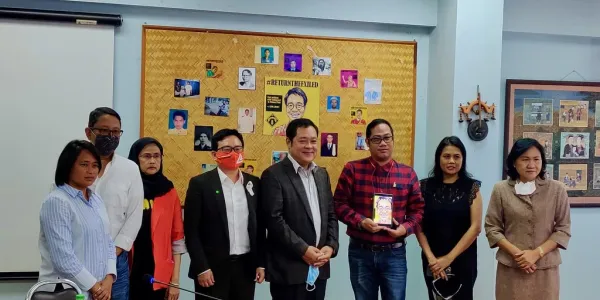
<p>Human rights activists, legal experts and politicians are demanding laws to protect citizens from enforced disappearance while calling on the Thai and Cambodian governments to show responsibility for the disappearance of Thai dissident Wanchalearm Satsaksit.</p>
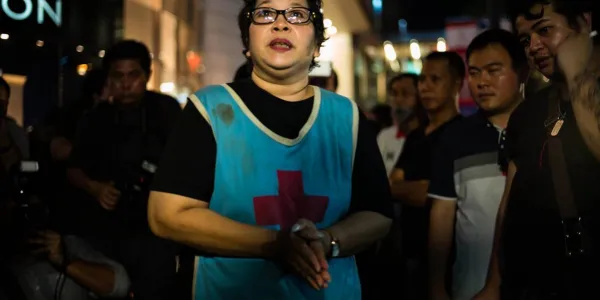
By Sunai Phasuk |
<p style="text-align: center;"><img alt="" src="https://www.hrw.org/sites/default/files/styles/1200w1200h/public/multimedia_images_2018/201708asia_thailand_payao2.jpg?itok=qkiUgvZd" style="width: 640px; height: 427px;" /></p>
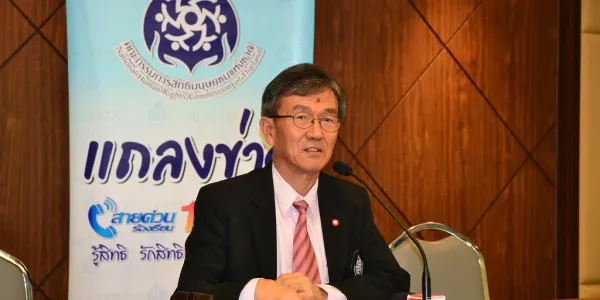
By Kornkritch Somjittranukit |
<div>Instead of investigating human rights violations, the National Human Rights Commission (NHRC) has been mandated to defend the image of the military government and this new measure is likely to be permanent, said Human Rights Watch.</div>
<div> </div>
<div>Two weeks ago, What Tingsamitr, the NHRC chairperson, told the media that the commission is initiating an investigation into the human rights report recently released by the US State Department. What stated that according to the 2017 Constitution, the NHRC is responsible for scrutinising reports on human rights in Thailand.
</div>
By Genevieve Glatsky |
<div>
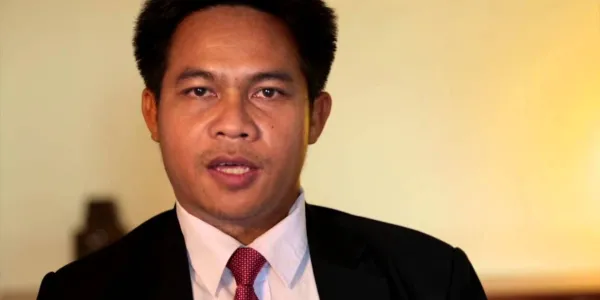
<div>The release of Cambodian political fugitive Sam Serey early on Friday morning earned the praise of the international community while stoking tensions with Cambodian officials. But a researcher at Human Rights Watch is doubtful that his release indicates a broader change in the way Thailand treats refugees and asylum seekers. </div>
<div> </div>
<div>Thailand released Sam Serey on 27 April to be flown back to Denmark, where he has permanent resident status. Serey was arrested last Wednesday for overstaying his visa.
</div></div>
By Sunai Phasuk |
<div>
<div><em>Still no justice for Somchai Neelapaijit and countless other victims </em></div>
<div>
</div></div>
By Kongpob Areerat |
<p>In a move that raised eyebrows among human right advocates, the junta announced on 21 November, after three years in power, that human rights would be incorporated into the regime’s so-called Thailand 4.0 sustainable development initiative.</p>
<p></p>