

By Navaporn Sunanlikanon |
The Forest Youth Voices public forum, which took place on 2 November 2025, brought together researchers, Indigenous youth, civil society actors, and members of the public to explore how Everyday Environmental Heritage (EEH) can function as a pathway from community practice to environmental policy.

By Anna Lawattanatrakul |
In September 2024, flash floods and landslides devastated the Huai Hin Lad Nai village, an Indigenous Karen community named Thailand's first Indigenous way of life protection zone. The community was subsequently accused of being the cause of the flood. The community is now well on its way to recovery, but debates continue about the role of traditional knowledge in disaster prevention and whether Indigenous communities should be given more autonomy.

By Prachatai |
The Thai parliament has voted to pass the Ethnic Way of Life Protection bill, the first law in Thailand to protect Indigenous peoples’ cultural rights and way of life. Meanwhile, the opposition and civil society said work remains to be done to ensure protection for Thailand’s Indigenous peoples.

By Prachatai |
The Ban Rin Luang indigenous Lisu community from Chiang Mai’s Chiang Dao District has filed a petition with the Permanent Secretary of the Ministry of Natural Resources and Environment calling for an end to prosecution and eviction after park officials destroyed their crops.
By Prachatai |
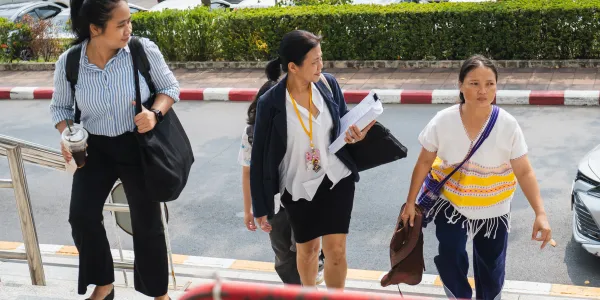
The family of indigenous rights activist Porlajee Rakchongcharoen has filed a lawsuit against the Department of National Parks, Wildlife, and Plant Conservation (DNP) for 26 million baht in damages over park officials’ involvement in Porlajee’s alleged abduction and murder.
By Prachatai |
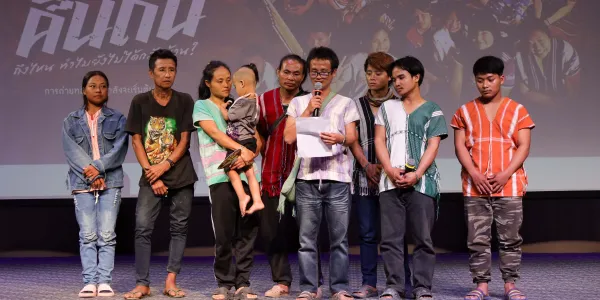
Three years after a group of villagers from the Bang Kloi indigenous Karen community were prosecuted for returning to their ancestral land in the Kaeng Krachan forest, the community is calling on the new government to help them return to the original location of their village at Chai Phaen Din, from which they were evicted over 20 years ago.
By Prachatai |
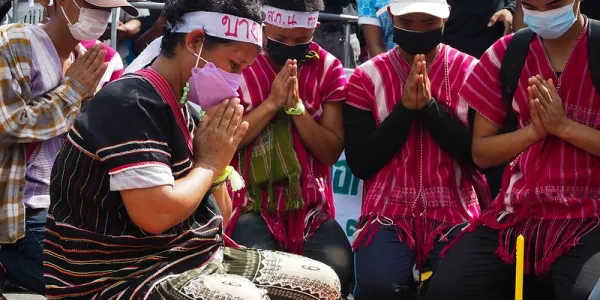
Following the death of an indigenous activist from dengue fever, indigenous and community rights groups are demanding that the Ministry of Public Health take responsibility, saying that her death is the result of racial discrimination and negligence by a local hospital.
By Prachatai |
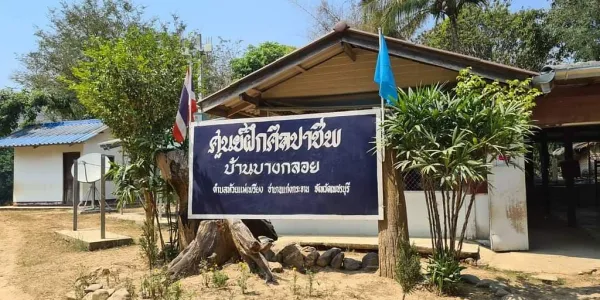
<p>Members of the Bang Kloi indigenous community employed as weavers in the local craft centre suffer poor working conditions and are paid less than the minimum wage, say activists from the Save Bang Kloi Coalition. </p>
By Prachatai |
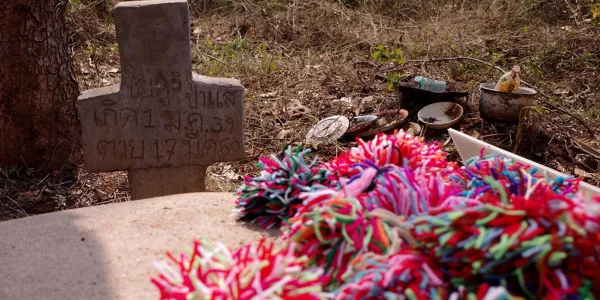
<p>Friends, family, and activists gathered in Chiang Mai on Thursday (17 March 2022) to remember murdered indigenous activist Chaiyaphum Pasae on the fifth anniversary of his death, while no perpetrators have been brought to justice.</p>
By Prachatai |
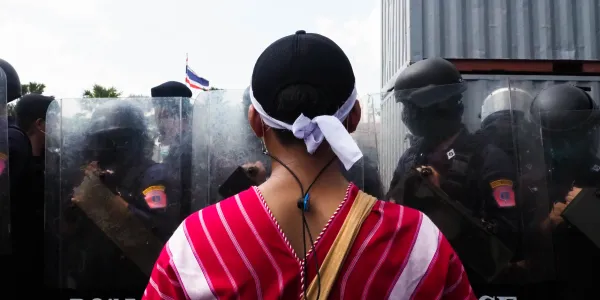
<p>Members of the Bang Kloi indigenous Karen community who came to join the protest organized by the People’s Movement for Just Society (P-Move) returned home yesterday (3 February 2022) after the government agreed to set up an independent committee to solve community rights issues facing them.</p>
By International Union for Conservation of Nature (IUCN) |
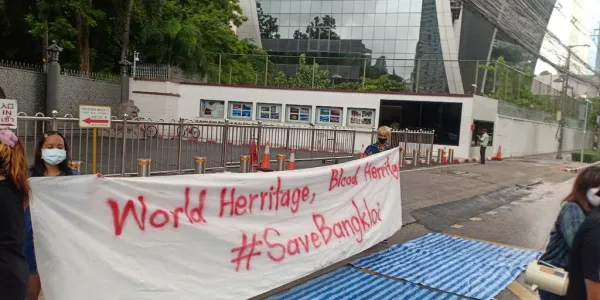
<p>The International Union for Conservation of Nature (IUCN) issued a statement following the inscription of the Kaeng Krachan Forest Complex as World Heritage site acknowledging the World Heritage Committee's decision and emphasise that nature conservation must respect the rights of indigenous peoples to the territories they have traditionally owned and used.</p>
By Anna Lawattanatrakul |
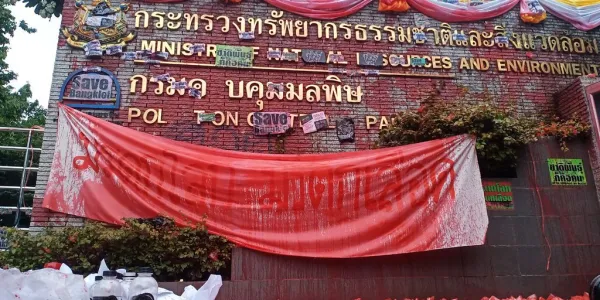
<p>The Kaeng Krachan Forest Complex was named a natural World Heritage site during the World Heritage Committee meeting on 26 July despite ongoing concerns about human rights violations against indigenous communities in the forest area. </p>